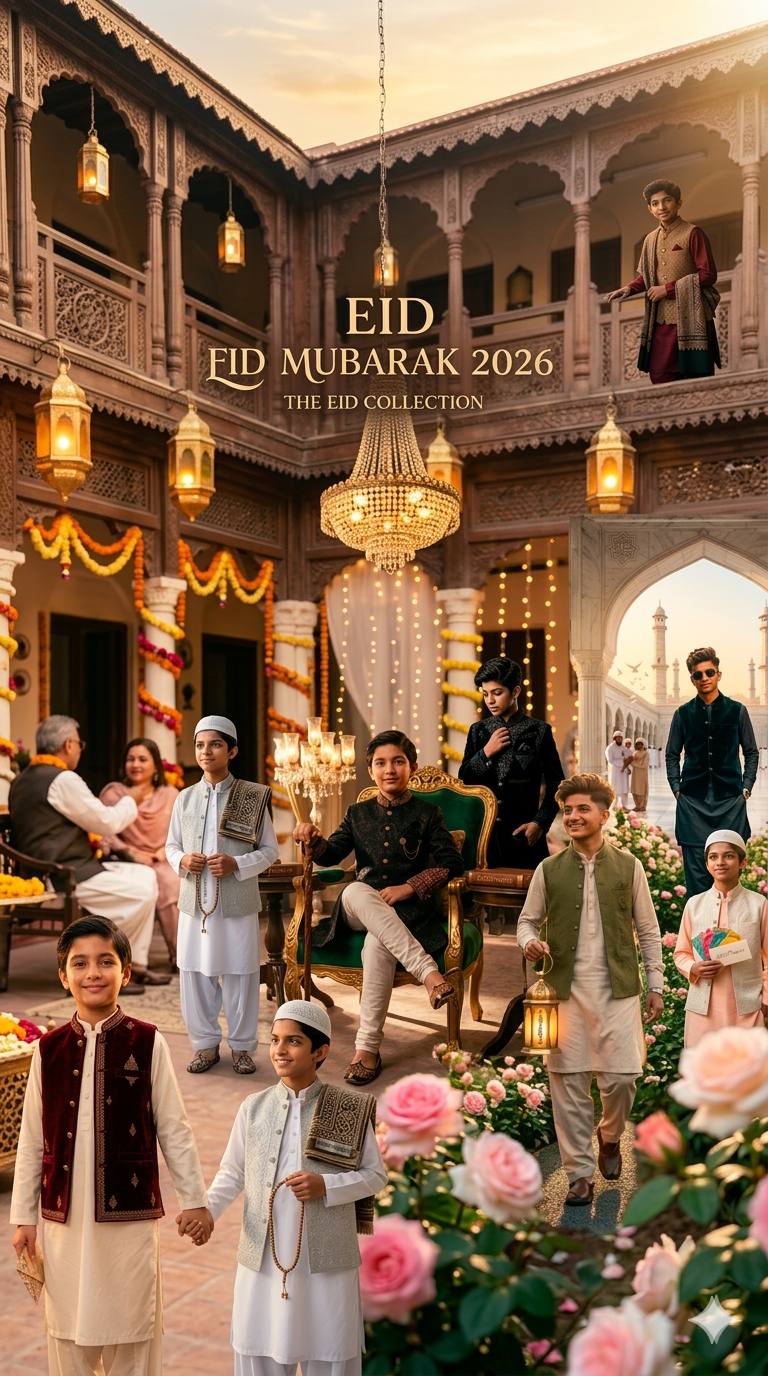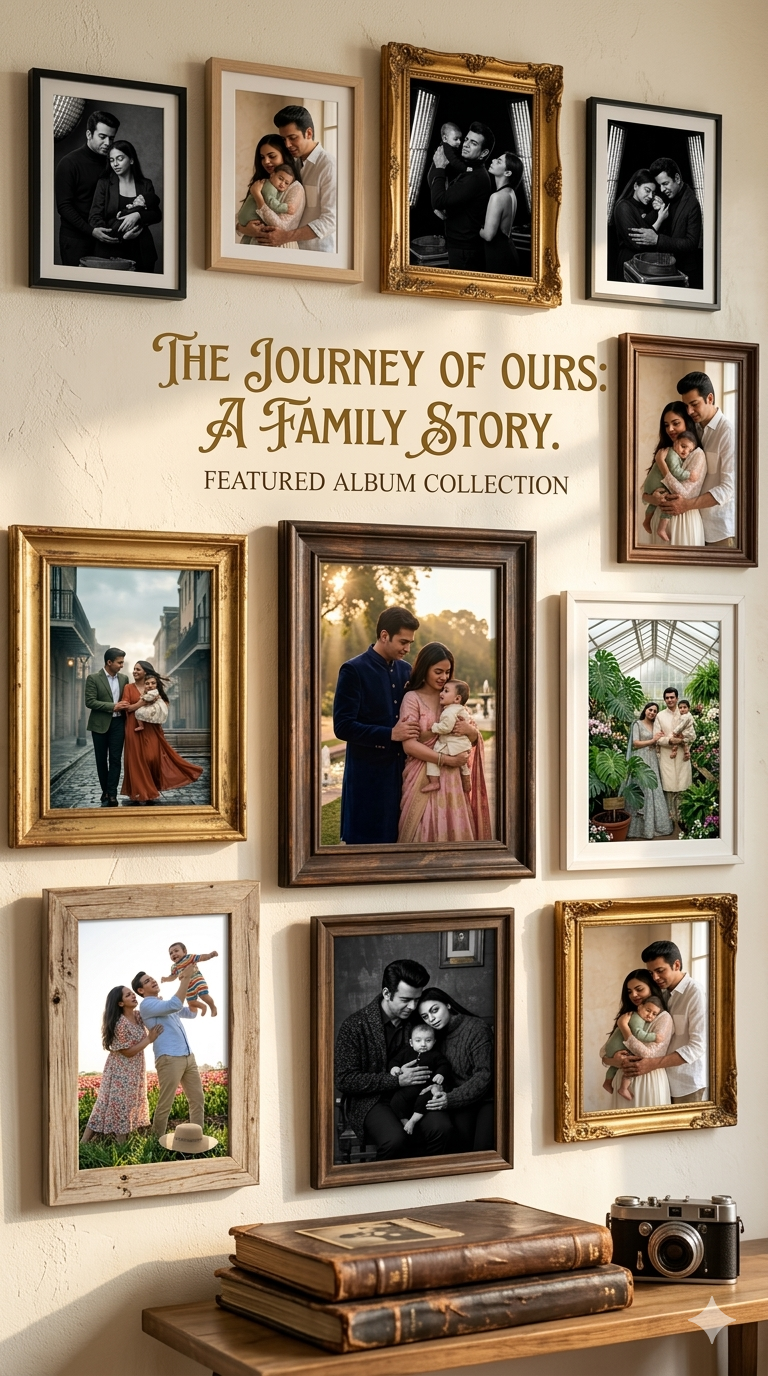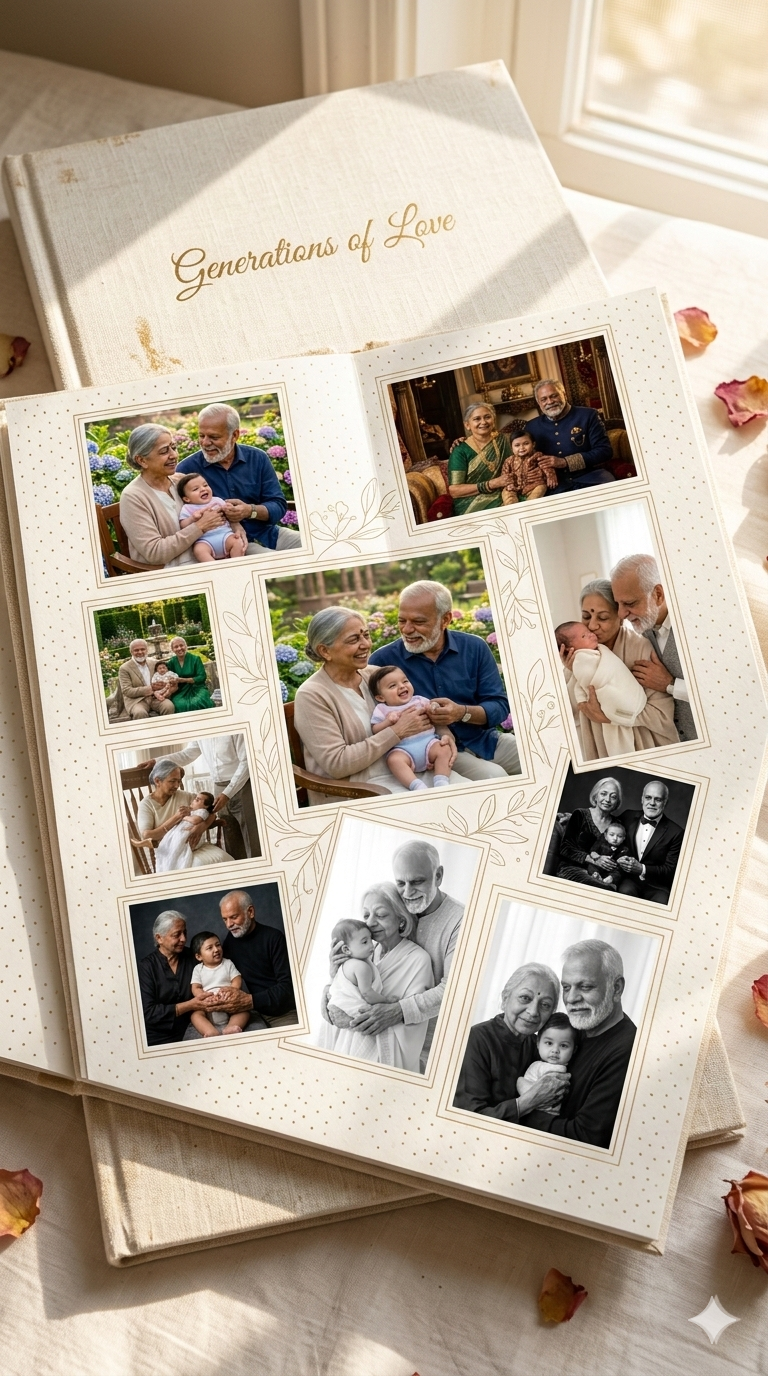

Recently have you listened song name papaoutai afro soul (different transition photo with different era ages from 2026 to back 2000BC viral reel) in Instagram or YouTube viral do you know its ai music yes this song created by Ai
With the introduction of Lyria 3, developed by Google DeepMind and seamlessly integrated into Google Gemini, anyone can generate full, emotionally resonant, studio-quality music. You don’t need to know how to read sheet music. You don’t need to know how to EQ a snare drum. You just need a prompt—whether that’s a few descriptive words, your own custom lyrics, or even a photograph.
Just imagination. And that changes everything.
What Is Lyria 3?
Lyria 3 is an advanced, next-generation AI music generation model. Unlike earlier, rudimentary music bots that simply stitched together pre-recorded royalty-free loops, Lyria is a foundational model built from the ground up to understand the actual physics and emotion of sound. It excels at creating breathtaking 30-second songs and audio clips that are perfect for modern consumption—from punchy podcast intros and emotional choruses to viral social media backdrops.
Lyria 3 is capable of creating:
- Full instrumental tracks with dynamic pacing
- Songs featuring eerily human-sounding vocals
- Melodies built entirely around your custom written lyrics
- Image-inspired atmospheric compositions
- Highly specific genre- and era-accurate music
The 3 Core Intelligence Layers Behind Lyria
1.Deep Genre & Era Intelligence
You no longer have to rely on broad, generic terms like “jazz” or “rock.” Lyria’s understanding of musical history is encyclopedic. You can prompt the AI with highly specific cultural and temporal markers:
90s boom-bap hip-hop
Neo-soul with modern trap drums
Classical orchestral with a cinematic rise
Lyria instantly interprets the exact drum patterns, instrument textures, sonic aesthetics, and period-specific production styles (like analog tape hiss or modern digital crispness) required to make the track sound authentic.
2.Multimodal Prompting (Text + Image)
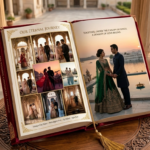
This is where the technology shifts from impressive to magical. Music generation isn’t just about text anymore. You can upload an image to Gemini—a candid wedding photo, a sweeping mountain sunset, or a nostalgic childhood polaroid—and Lyria will convert that visual emotion into a 30-second musical composition.
It “reads” the warmth of the lighting, the context of the facial expressions, the vastness of the environmental tone, and translates those visual cues into chords and tempos. Music truly becomes a translation of imagery.
3. Vocal Expression + Custom Lyric Integration
The human voice is the most complex instrument in the world, and Lyria handles it masterfully. You can specify whether you want a male or female voice, a deep baritone or an airy soprano, a soft whisper or a raspy, powerful belt.
- More importantly, as detailed in DeepMind’s Lyria Prompt Guide, you can use your own lyrics. By structuring your text with simple tags like
[Verse],[Chorus], or[Bridge], you give Lyria the blueprint to perform your written words exactly how you envision them. It’s songwriting without technical limitations.
Why This Moment Is Different
To be clear, AI music did not begin with Lyria. Pioneers like Suno AI, Udio, MusicLM, and Stable Audio have been proving for the last few years that AI could compose. So, what makes Lyria 3 the tipping point?
It comes down to integration, safety, and scale. Lyria integrates directly into Google’s massive ecosystem. It features enterprise-level infrastructure that ensures rapid generation of those 30-second clips. Furthermore, it utilizes SynthID, Google’s invisible audio watermarking technology, which embeds a digital signature directly into the acoustic waves to identify it as AI-generated—crucial for artist protection and ethical use.
Real-Life Use Cases (Beyond the Hype)
Let’s move away from the theoretical and look at how Lyria 3 is fundamentally altering everyday life and business.
1. Personal Milestones
- Personalized Birthday Songs: Instead of the generic tune, generate a 30-second pop-punk track that includes the birthday person’s name, their inside jokes, and their favorite hobbies.
- Wedding Anthems: Couples can create story-based love songs detailing how they met, acting as custom entrance music without spending thousands on private composers.
- Memorials: Highly specific, emotionally resonant music for remembrance and grief processing.
2. The Zero-Cost Studio for Content Creators
For YouTubers, podcasters, and TikTokers, dealing with expensive licensing, copyright strikes, and generic royalty-free tracks is a nightmare. Lyria allows creators to generate custom intros, podcast beds, and brand sound identities instantly.
| Traditional Method | Average Cost/Risk | The Lyria 3 Advantage |
|---|---|---|
| Stock Music Subscription | $15–$50/month | Included with Gemini; highly specific to the video’s mood. |
| Custom Composer (Intro) | $200–$500 per track | $0. Generates a perfect 30-second loop in moments. |
| Mainstream Copyrighted Music | High risk of DMCA strikes | 100% original generation, watermarked with SynthID. |
3. Education & Learning
We know that music improves memory retention and emotional learning. Teachers in rural classrooms can now generate content equivalent to premium educational studios. Need a 30-second hip-hop track explaining the water cycle? Or a gentle acoustic song for learning the alphabet? Lyria does it instantly.
4. Business & Sonic Branding
Think of Intel’s 5-note chime or Netflix’s “Ta-dum.” Sonic branding used to be reserved for Fortune 500s. Now, startups can create custom audio logos, retail ambiance music, and product launch themes without setting foot in a studio.
5. Therapy, Special Needs, & Cultural Preservation
Therapists can generate personalized, calming tracks tailored to a patient’s specific sensory needs (e.g., regulating autism spectrum overstimulation with specific BPMs). Culturally, small communities can preserve and amplify their heritage by generating local hymns, Nasheeds, or Bhajans, customized to local traditions.
How to Actually Monetize Lyria
Because the barrier to entry has lowered, the new premium skill is creative curation and prompt design. Here is how entrepreneurs are monetizing this:
- Custom Song Services: Sell bespoke wedding, anniversary, or birthday 30-second highlight tracks on platforms like Fiverr or Etsy. (Price: ₹4,000–₹15,000 per piece).
- Creator Packages: Bundle 5 custom intro/outro tracks tailored to a specific YouTuber’s aesthetic and sell the rights.
- Educational Bundles: Create and sell thematic packs (e.g., “Complete 3rd Grade Science Songs”) to teacher resource platforms.
- Event Music Add-Ons: Event planners can upsell personalized entry music or award ceremony fanfares at high margins.
Advanced Prompt Framework (Pro Strategy)
To get professional-quality, 30-second outputs, you cannot be lazy with your text. You need to master four dimensions, as highlighted in the DeepMind prompt guide:
1. Genre + Era: “90s lo-fi hip-hop”
2. Instrumentation: “Upright bass, heavy vinyl crackle, and a soft, melancholic piano”
3. Vocal Profile: “Soft, breathy female whisper”
4. Dynamic Structure: “[Verse 1] The city sleeps… [Chorus] But my mind is wide awake, building tempo at 15 seconds.”
⚖️ The Ethical Question: Is It “Real” Music?
As this technology proliferates, the inevitable question arises: Is AI music real music?
Music has always been about emotional storytelling, human expression, and cultural memory. While AI generates the sound, humans still provide the intent, the story, the context, and the meaning. The emotional source remains entirely human. In this new paradigm, AI is not the replacement for the musician; AI is simply the newest instrument.
Final Thought
Lyria 3 is not ending music. It is expanding authorship.
For the first time in human history, you don’t need to be trained to create a meaningful, beautiful piece of music. You just need a story to tell. And that fundamentally changes the definition of who gets to be a creator.
Music was once limited by skill. Now, it’s limited only by imagination.
Ready to become a digital composer? How will you use gemini music lyria 3 comment your thoughts bye bye…